
 (2).png)

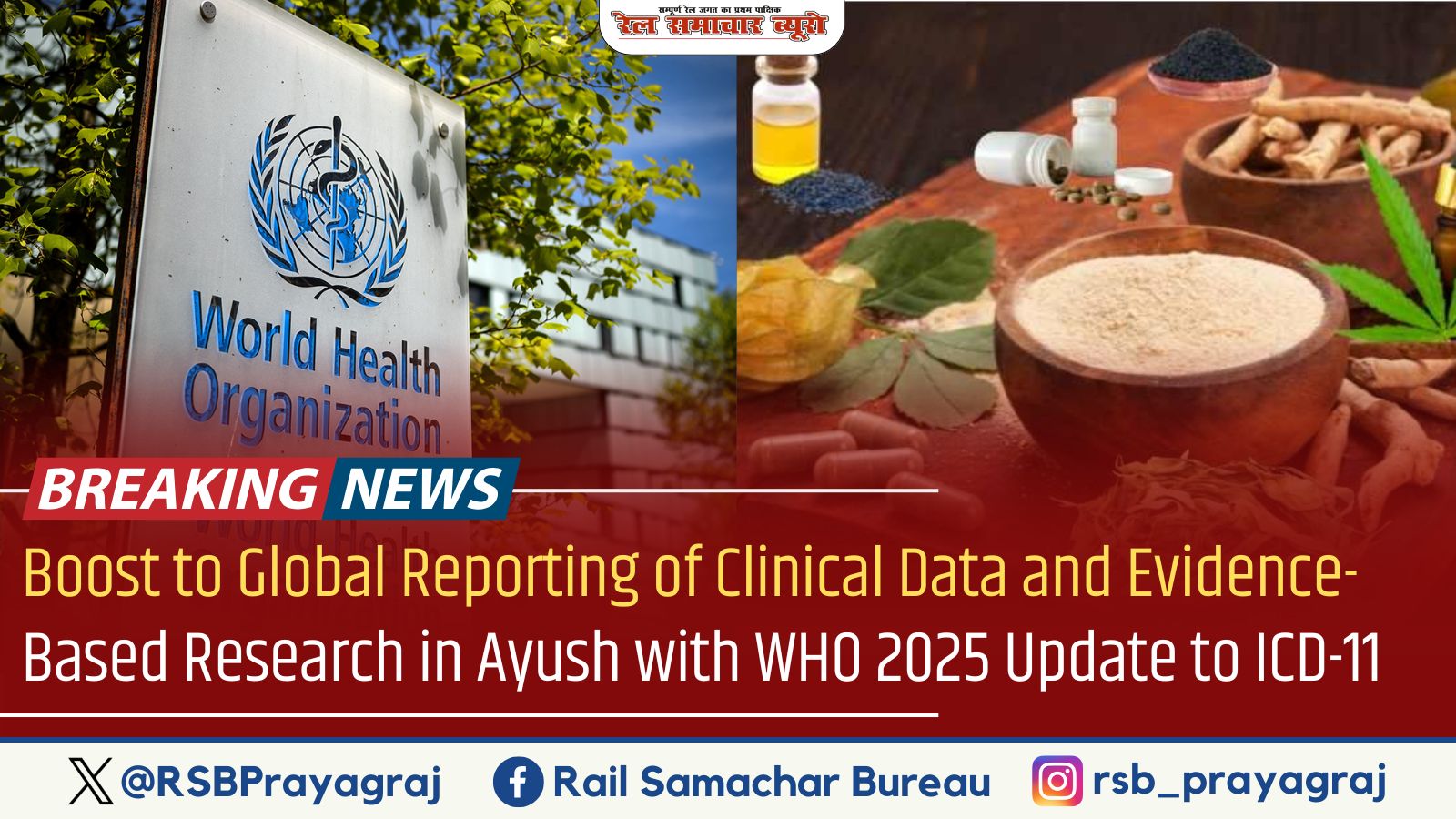
In a significant milestone for the global recognition of traditional medicine, the World Health Organization (WHO) has announced the 2025 update to the International Classification of Diseases (ICD-11), introducing a new module dedicated to traditional medicine conditions. This groundbreaking addition focuses on Ayurveda, Siddha, and Unani systems, marking a monumental step in the systematic tracking and global integration of these healthcare practices.
The update follows extensive testing and deliberations, including the successful launch of ICD-11 TM-2 in January 2024 in New Delhi, dedicated to the traditional systems for country implementation testing. The final release of this module came after deliberations at the WHO meeting in Malaysia in November 2024. The ICD-11 TM 2 module is now officially available on the ICD-11 Blue Browser.
By officially categorizing Ayurveda, Siddha, and Unani alongside conventional medical conditions, this inclusion elevates the status of these systems in global health reporting, research, and policymaking. It facilitates dual coding, allowing healthcare providers to record both traditional and conventional diagnoses, promoting evidence-based policymaking and enhancing patient care. This update aligns with WHO’s mission to advance universal health coverage and sustainable development goals.
Vaidya Rajesh Kotecha, Secretary of the Ministry of Ayush, emphasized the importance of this update, highlighting its role in fostering holistic healthcare globally. He stated that the update not only empowers traditional medicine’s inclusion in national healthcare strategies but also advances the integration of evidence-based integrative healthcare policies.
The new ICD-11 module offers significant advantages, including improved data collection, evidence-based policymaking, and better patient care. By tracking the use and effectiveness of traditional medicine globally, WHO is establishing a platform to evaluate these systems' impact alongside modern medical treatments, ensuring their relevance in future healthcare strategies.
Source/PIB



_page-0001.jpg)




.jpg)
.jpg)
.jpg)
.jpg)
.jpg)